



Growing out layers can feel like your haircut is losing the plot. The ends flip in odd places, the crown goes flat, and the whole shape lands somewhere between intentional and I missed my trim. A shaggy mullet fixes that middle stage better than most cuts, because it turns the awkward parts into shape instead of fighting them.
That’s the real appeal of a shaggy mullet for grown-out layers: the cut keeps movement at the top, lets the back stay a little longer, and stops the outline from collapsing into a triangle. It works on pin-straight hair, bendy hair, curls, dense hair, fine hair — the trick is matching the amount of texture to the amount of length you already have.
Not every version has to scream rock club. Some are soft enough for work, some lean artsy, and some are gloriously messy in a way only good layers can pull off. The best ones make grow-out look planned, which is a small miracle when you’ve been putting off a haircut for months.
Here are the versions that make sense on real heads of hair, not just in salon photos.
1. Soft Wolfish Shag Mullet
This is the easiest place to start if your grown-out layers need shape fast. Keep the crown choppy, let the nape stay a little longer, and ask for point-cut ends so nothing looks heavy or blunt. The result is loose, airy, and slightly wild without tipping into costume territory.
The soft wolfish version works especially well on medium-density hair that has some natural bend. It gives you movement around the face, then lets the back fall in a softer tail. If your layers already have a little grow-out built in, this cut uses that instead of trying to hide it.
A matte texture spray at the roots helps the shape stay lifted. A pea-sized amount is enough.
2. Curly Shaggy Mullet With Airy Ends
What if your curls keep turning into a triangle? This is the fix I reach for. The top stays short enough to keep bounce near the crown, while the back keeps its length in loose, springy pieces that let the curl pattern do the talking.
Why It Works on Curly Hair
Curly hair loves a shape that doesn’t fight shrinkage. If the layers are cut too evenly, the whole head can puff out in one big block. A shaggy mullet breaks that up, so the curl can sit in separate zones and move instead of ballooning.
Ask for dry cutting if your stylist knows how to do it, or at least a curl-by-curl check at the end. That keeps the shape honest.
- Use a lightweight gel or curl cream on soaking-wet hair.
- Scrunch from the ends upward.
- Diffuse on low heat until the roots are dry and the curls feel set.
- Avoid brushing it out once it’s dry unless you want a cloud.
3. Cropped Mullet With Micro Fringe
This one has bite. The length is short enough to show the neck, but the back still hangs longer than the sides, which gives you that mullet line without much commitment. The micro fringe makes it feel sharper, almost editorial, and it’s a good match for grown-out layers that already sit above the shoulders.
It suits people who want structure more than softness. Fine or medium hair tends to show the shape best, especially if the top has been layered a little shorter than the back. The fringe keeps the eye up front, so the cut doesn’t feel like it’s all happening in the nape.
Be honest with yourself here. A micro fringe looks deliberate or it looks like a mistake. There’s not much middle ground.
4. Copper Razor-Cut Mullet
Copper hair and a razor cut are a stubbornly good pair. The color catches every broken edge, and the razor work makes the layers look feather-light instead of stacked. If your grown-out layers have gotten too soft, this gives them a cleaner, hotter outline.
This version is sharpest on straight to slightly wavy hair. Dense hair especially benefits, because the razor removes some of the bulk and lets the shape breathe. I like it when the top is short enough to show lift, but the back still has enough length to swing when you turn your head.
A gloss or tone-refreshing conditioner helps copper stay rich. Faded copper can make the cut look dull, and that’s a shame.
5. Air-Dried Wave Mullet
If you hate blow-drying, start here. The cut depends on natural movement, with soft layers around the crown and a longer, piecey back that falls into place after a wash. No hard edges. No elaborate shaping. Just enough structure to make air-dried hair look intentional.
This is a good choice for grown-out layers that have started to bend in awkward places. Instead of flattening them down, the shape lets those bends become part of the finish. A little leave-in cream through the mid-lengths helps the ends separate instead of clumping.
One small warning: too much product kills the whole thing. Use less than you think you need.
6. Choppy Brunette Mullet
Brunette hair can swallow texture if the layers are too soft. That’s why this version leans into broken ends and uneven movement. The darker base makes the shape look fuller, while the choppier layers stop it from reading as a heavy, blocky cut.
It’s a good fit for shoulder-length grow-out, especially if the layers around the face have lost their original shape. The trick is to keep the outline loose but not fuzzy. A few shorter pieces near the cheekbone make the whole cut feel awake.
A dry paste works better than a shiny cream here. Too much shine makes the texture disappear, and this cut needs the texture to show.
7. Curtain Bang Shag Mullet
Curtain bangs and a shaggy mullet get along better than they should. The fringe opens in the center, sweeps into the sides, and gives grown-out layers a front section that feels polished even when the rest of the cut is a little messy.
What to Ask Your Stylist
Keep the bang short enough to sit at the cheekbone, not the jaw. That gives the face a frame without pinning everything down. The back can stay longer and softer, which makes the mullet part feel less abrupt.
- Ask for a narrow center fringe that widens as it hits the temples.
- Keep the top layers soft, not heavy.
- Blow the bangs forward first, then sweep them apart with your fingers.
- Finish with a light spray, not a sticky hairspray helmet.
This is one of the easiest ways to make grow-out look deliberate.
8. Pixie-Length Shaggy Mullet
Short hair can still have mullet energy. This cut sits in that tricky space between a pixie and a proper shag, with a little length left in the back so it doesn’t lose the silhouette. It’s sharp, cheeky, and good for anyone who wants texture without waiting months for length.
The top stays choppy and light, which stops the cut from puffing out. The sides are kept close enough to the head to give shape, while the back gets just enough extra length to create a tail-like finish. It works well on straight hair, but it’s even better if your hair has a natural flick.
Use a tiny bit of wax at the ends. Too much and it gets greasy fast.
9. Platinum Piecey Mullet
Platinum hair makes every layer look louder. That’s useful here, because the point of a shaggy mullet is movement, and pale color shows movement better than almost anything else. The piecey finish keeps it from going flat, and the short top layers make the shape read fast.
This version suits people who like a colder, more graphic look. It’s especially strong when the ends are roughened up instead of curled under. If your grown-out layers have lost their edge, platinum makes the line come back.
There’s a cost, though. Light hair shows damage faster, so the cut needs regular trims at the perimeter. Soft ends look romantic on dark hair. On platinum, they can look mushy.
10. Long Layered Soft Mullet
Not every mullet has to be loud. This one keeps the overall length long, with gentle top layers and a back that drops just enough to create a mullet shape without feeling dramatic. It’s the version I’d point to for someone who wants the idea of a mullet, not the shock of one.
Best For
This cut suits hair that’s been growing out for a while and needs a clean outline more than a big chop. The layers should blend from crown to nape in a gradual slide, so the shape feels soft from every angle.
- Keep the shortest layers around the brow or upper cheek.
- Leave the longest point at the nape or just below it.
- Style with a round brush if you want polish.
- Air-dry if you want it more lived-in.
It’s quiet, which is part of why it works.
11. Bedhead Shag Mullet
This is the cut that looks better a little imperfect. The layers are broken up, the fringe is loose, and the ends are meant to look slightly slept on — though not actually unwashed for a week, because that’s a different story.
It’s a strong option for hair that refuses to stay neat. Instead of forcing it, the cut gives the mess somewhere to go. The top has enough texture to stop the crown from collapsing, and the back stays long enough to keep the mullet line visible.
A bit of dry shampoo at the roots and a small spray of texture mist on the mids are usually enough. Overstyling ruins the charm.
12. Face-Framing Layered Mullet
If the face frame is what matters most to you, this is a smart move. The front layers are cut to hit the cheekbones and jaw in soft steps, while the back keeps a longer, looser finish. That makes the whole cut feel flattering without relying on a heavy fringe.
The real advantage here is balance. Grown-out layers can sometimes leave the front too thin and the back too bulky. This version redistributes the shape so the face gets attention first, then the rest of the hair follows.
It’s especially good on oval and round faces, but I’ve seen it work on plenty of others. The only thing that matters is keeping the front pieces mobile.
13. Bottleneck Fringe Shag Mullet
A bottleneck fringe sounds fussy, but the shape is easy to wear. It’s shorter in the center, then opens wider at the sides, which gives the forehead a bit of room and keeps the rest of the cut from feeling top-heavy. On a shaggy mullet, that fringe takes the edge off the back length.
This one works when you want softness up front and texture everywhere else. It’s a nice choice for hair that’s already layered but needs a stronger focal point. The fringe breaks up the face in a way that feels modern without being severe.
Keep the fringe feathered, not blunt. A dense, solid line kills the airy finish.
14. Feathered Crown Mullet
The crown is where this cut earns its keep. Short, feathered layers at the top create lift, and the rest of the hair falls away in a looser tail that reads as a mullet without needing much drama. It has a little 70s energy, which I happen to like when it’s done with restraint.
How to Style the Lift
Use a round brush or a blow-dry brush at the roots, then flick the ends outward just a bit. The goal is soft height, not helmet hair. A small amount of mousse at the crown before drying gives the top enough memory to stay lifted.
- Blow-dry the front upward and back.
- Roll the top section over a brush for 3 to 5 seconds.
- Let the nape fall naturally.
- Finish with a light mist of flexible spray.
It’s one of those cuts that looks expensive when the shape is right.
15. Mid-Length Wavy Mullet
This is the sweet spot for people who can’t decide between a bob and longer hair. The length lands around the shoulders, the layers are broken enough to keep it moving, and the back has just enough extension to make the silhouette read as mullet-adjacent.
Wavy hair loves this shape because it doesn’t need a perfect finish. If your grown-out layers already bend on their own, this cut gives them a framework. You’re not fighting the wave pattern; you’re letting it decide where the hair falls.
A salt spray can help, but don’t overdo it. Too much grit makes the ends feel crunchy instead of soft.
16. Razor-Cut Mullet With Broken Ends
A razor cut can save a mullet from looking chunky. The blade removes weight in a softer way than shears, which is useful if your grown-out layers have gone puffy around the ears or heavy at the back. The ends come out broken and a little wild.
This version is strong on dense hair and on straight hair that tends to lie flat unless it’s given movement. The broken ends keep the shape from becoming too neat. It looks best when the line isn’t perfect — that’s the point.
Be careful with very fragile hair. Razor work on weak ends can make things frayed fast.
17. Boho Shaggy Mullet
This one feels loose, sun-warmed, and a little unbothered. The layers are long enough to drape, the fringe is soft, and the back has movement without a hard drop. It’s a good answer if you want the shaggy mullet idea but don’t want anything that feels harsh.
The boho version works on hair that can hold a bend, whether that’s from a natural wave or a quick pass with a large barrel. It gives grown-out layers a softer landing, which matters if the front pieces have started to feel too thin.
A cream-based styler helps keep the ends separated. Skip anything too stiff. That would miss the whole mood.
18. Jet-Black Graphic Mullet
Black hair loves a clean outline. The contrast is strong, so the cut has to stay sharp enough to show it. This version keeps the top layered and the back longer, but the edge around the perimeter stays clear so the whole shape doesn’t disappear into one dark mass.
It’s a great choice if you like a more graphic look. The hair can still be shaggy, but the silhouette should stay readable. Grown-out layers sometimes get fuzzy on dark hair, and this cut pulls the shape back into focus.
A shine serum on the mid-lengths helps, but keep it off the roots. Greasy roots flatten the lift right out.
19. Red Shag Mullet With Flipped Ends
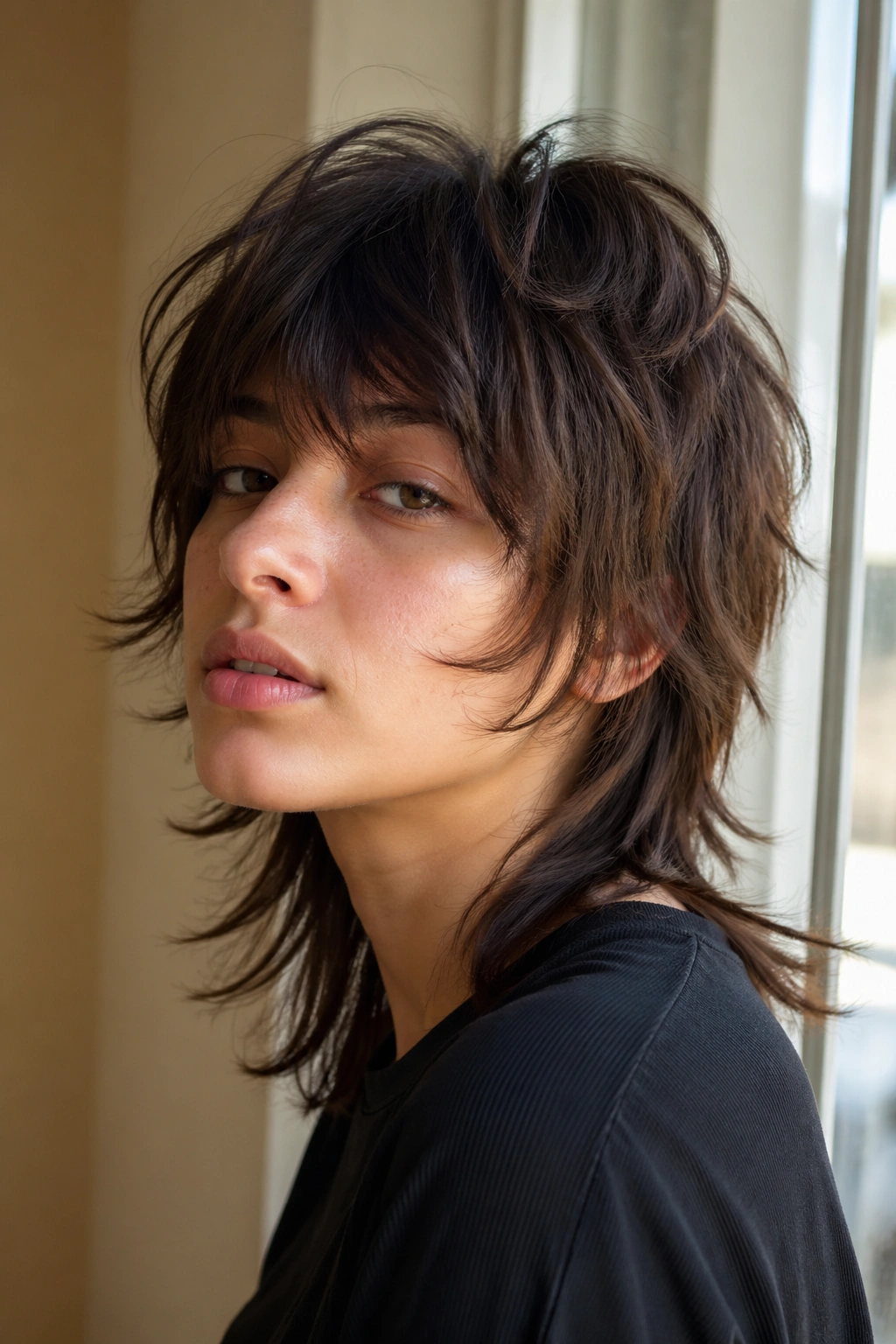
Red hair loves motion, and flipped ends give it some attitude. This cut keeps the layers alive through the mids and leaves enough length at the back for a flicky finish. If your grown-out layers need energy, this is a fun place to put it.
The best part is how the flip changes the outline. Instead of hanging straight down, the ends kick out just enough to keep the shape from feeling static. That makes the haircut look deliberate, even on days when you barely style it.
Use a medium round brush or a flat brush with a slight wrist turn at the ends. Tiny movement matters here. A full curl would be too much.
20. Easy Air-Dry Grow-Out Mullet
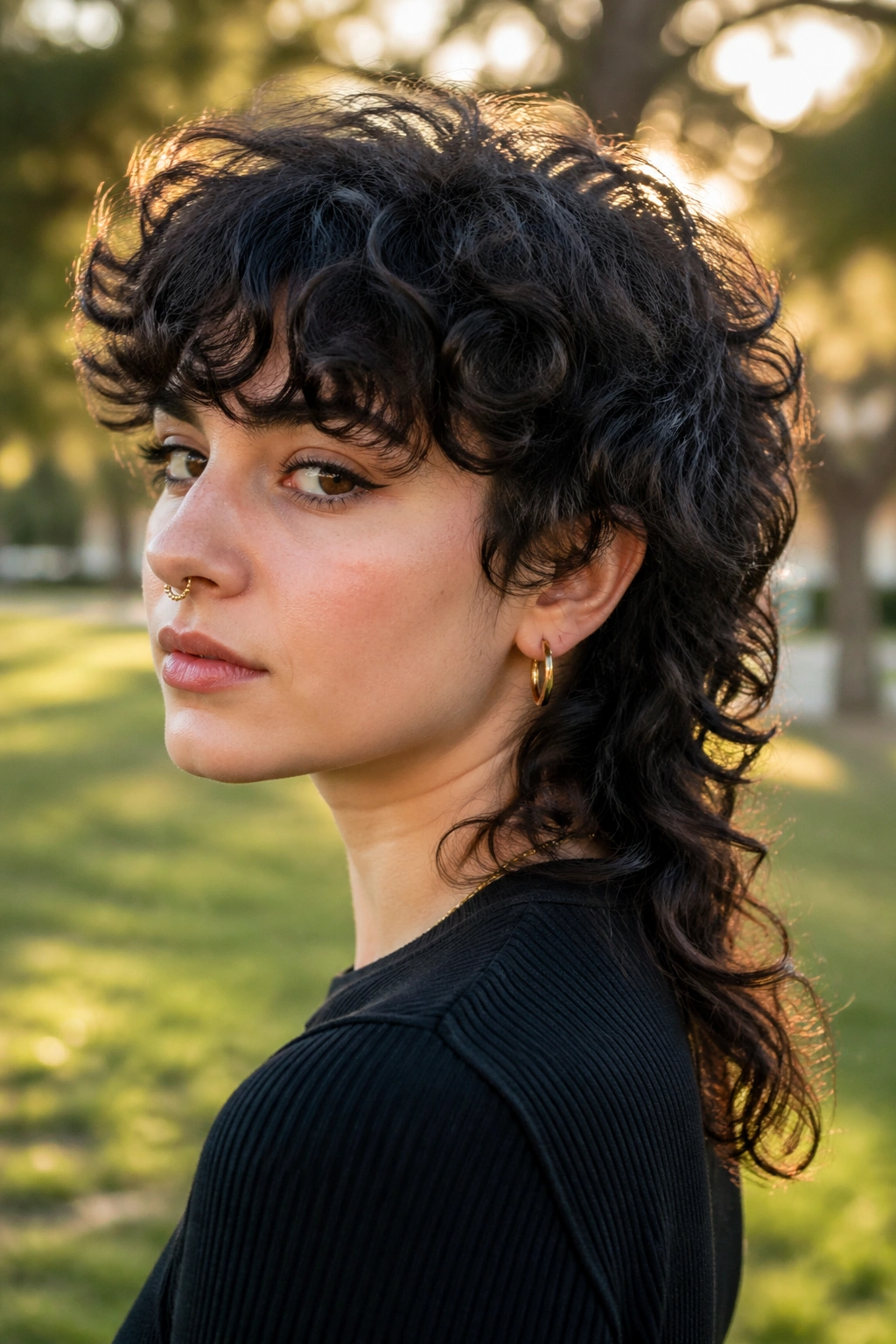
This cut is for people who want hair that behaves without a blow dryer. The top layers sit softly enough to dry into shape, while the longer back keeps the movement visible. It’s low effort, but not lazy-looking, which is a useful distinction.
Keep It Simple
The cut should be done with air-drying in mind. That means avoiding overly blunt sections and leaving enough internal texture so the hair doesn’t dry into one flat sheet. If your hair bends naturally, the result looks even better.
- Use a leave-in conditioner on damp hair.
- Scrunch in a small amount of mousse.
- Let it dry without touching it for the first 20 minutes.
- Break up any stiff spots with a drop of cream on your palms.
If you hate routines, this is one of the nicer choices.
21. Glam Blowout Mullet
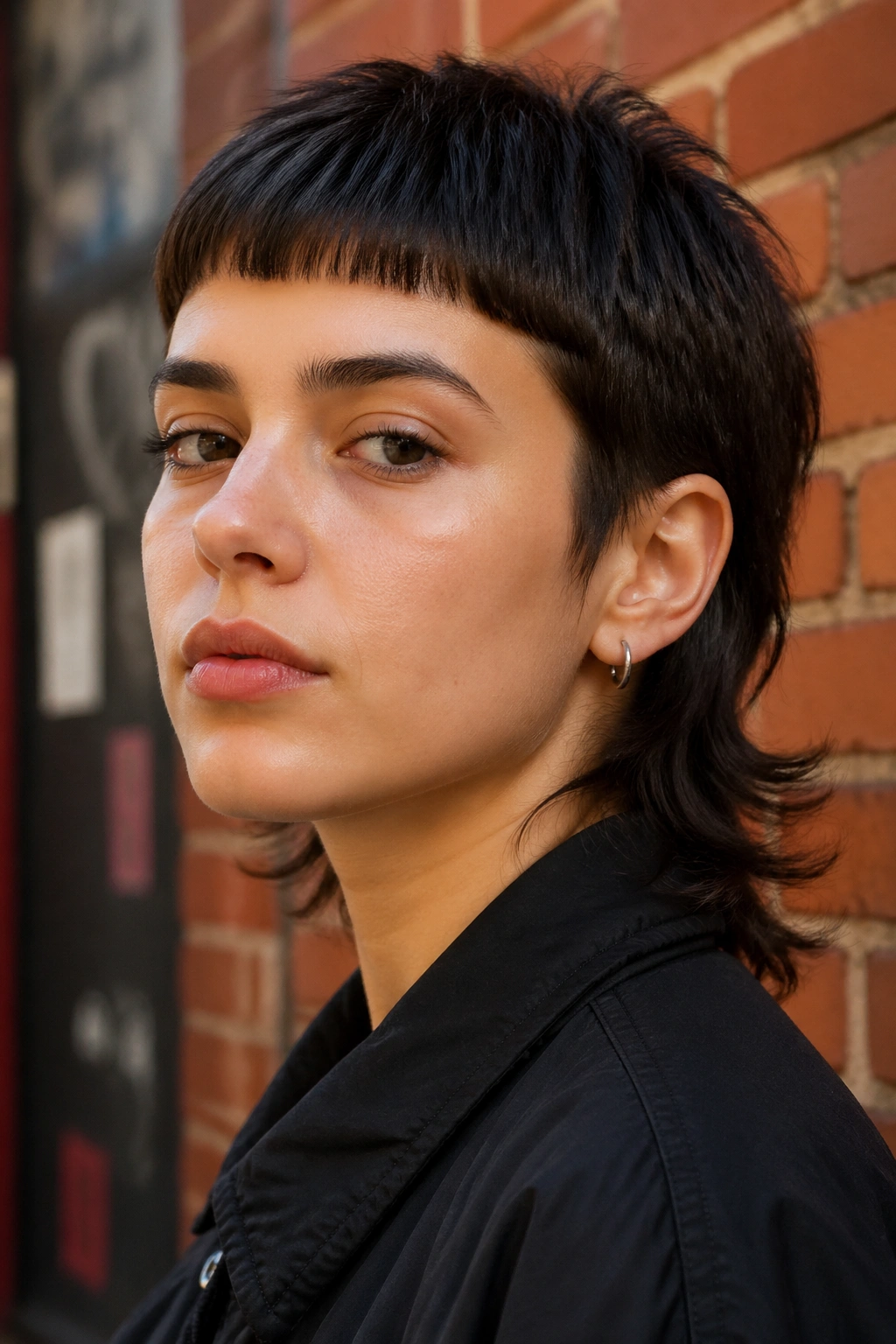
Yes, a mullet can look polished. This version depends on smooth roots, soft volume at the crown, and ends that curve away from the neck just enough to keep the silhouette elegant. It has more finish than the messier styles, and that changes everything.
This cut is good when you want grown-out layers to look intentional at dinner, at work, or anywhere else you’d rather not look like you slept in a hoodie. A round brush and a quick pass of blow-dry cream do most of the work.
The key is not to flatten the back. If the length loses its swing, the whole thing turns into a plain layered cut.
22. Fine-Hair Shag Mullet
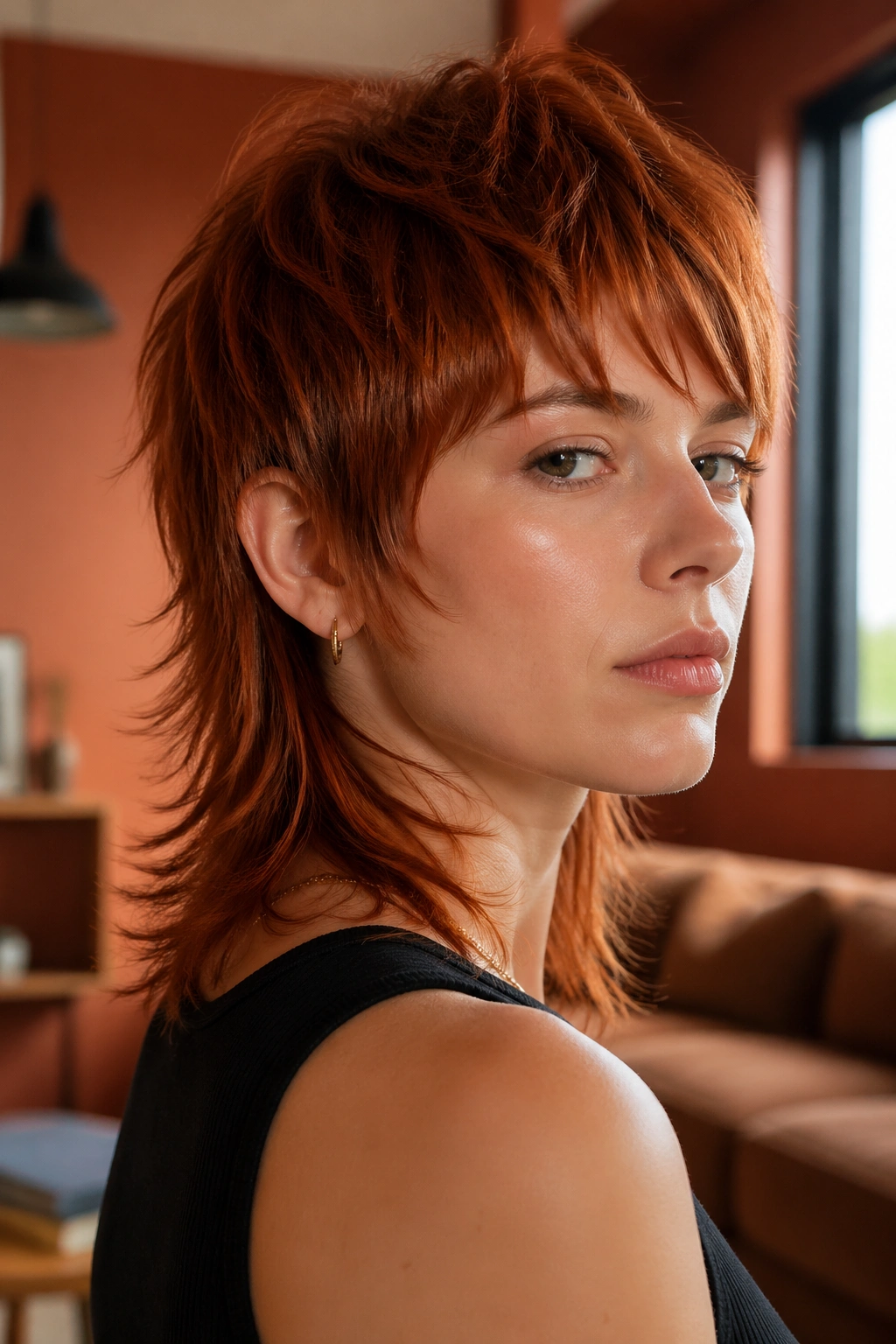
Fine hair needs a light hand. Too many layers, and it starts to look see-through. Too few, and the cut goes limp. The sweet spot is a shaggy mullet with careful layering at the crown and enough density left through the ends to keep the outline full.
This style gives fine hair the illusion of more body without making it poofy. The shorter top layers help lift the roots, while the back stays long enough to show movement. I’d avoid heavy thinning shears here. They can make the ends wispy in a bad way.
A root-lifting spray before blow-drying helps a lot. So does not overconditioning the mids.
23. Thick-Hair Mullet With Weight Removal
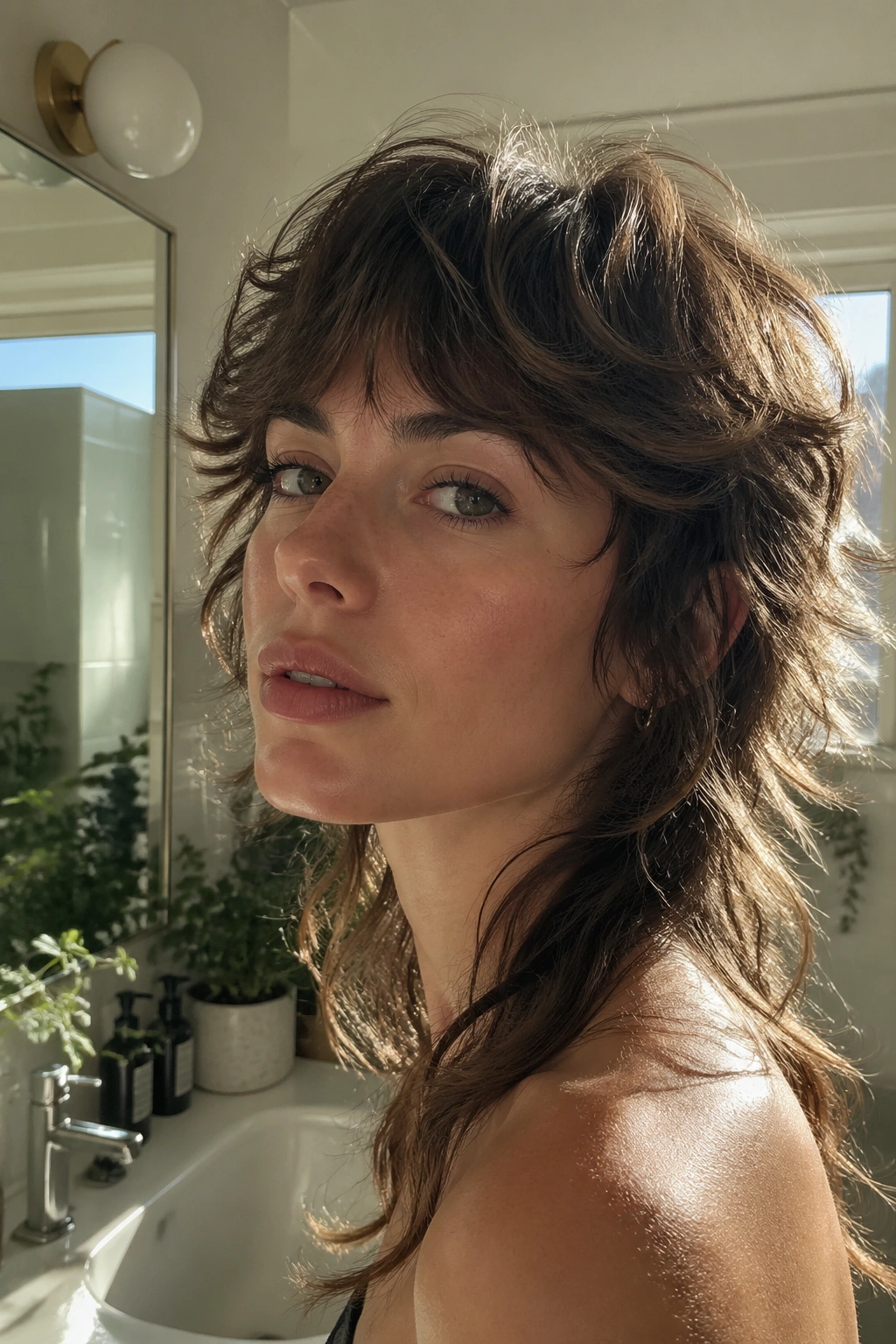
Thick hair can carry a mullet shape beautifully, but only if the bulk is handled well. The crown needs internal layers, the sides need some weight taken out, and the back needs enough softness to stop it from sitting like a block.
What the Cut Needs
Ask for internal layering, not random thinning. Those are not the same thing. Internal layers keep the surface looking full while reducing the heaviness underneath, which is what lets thick hair move instead of puff.
- Remove bulk around the parietal ridge.
- Keep the outline soft at the nape.
- Avoid over-thinning near the crown.
- Style with a cream that controls frizz without flattening.
This is one of the most useful shaggy mullet ideas if your hair is dense and a little stubborn.
24. Salt-and-Pepper Shag Mullet
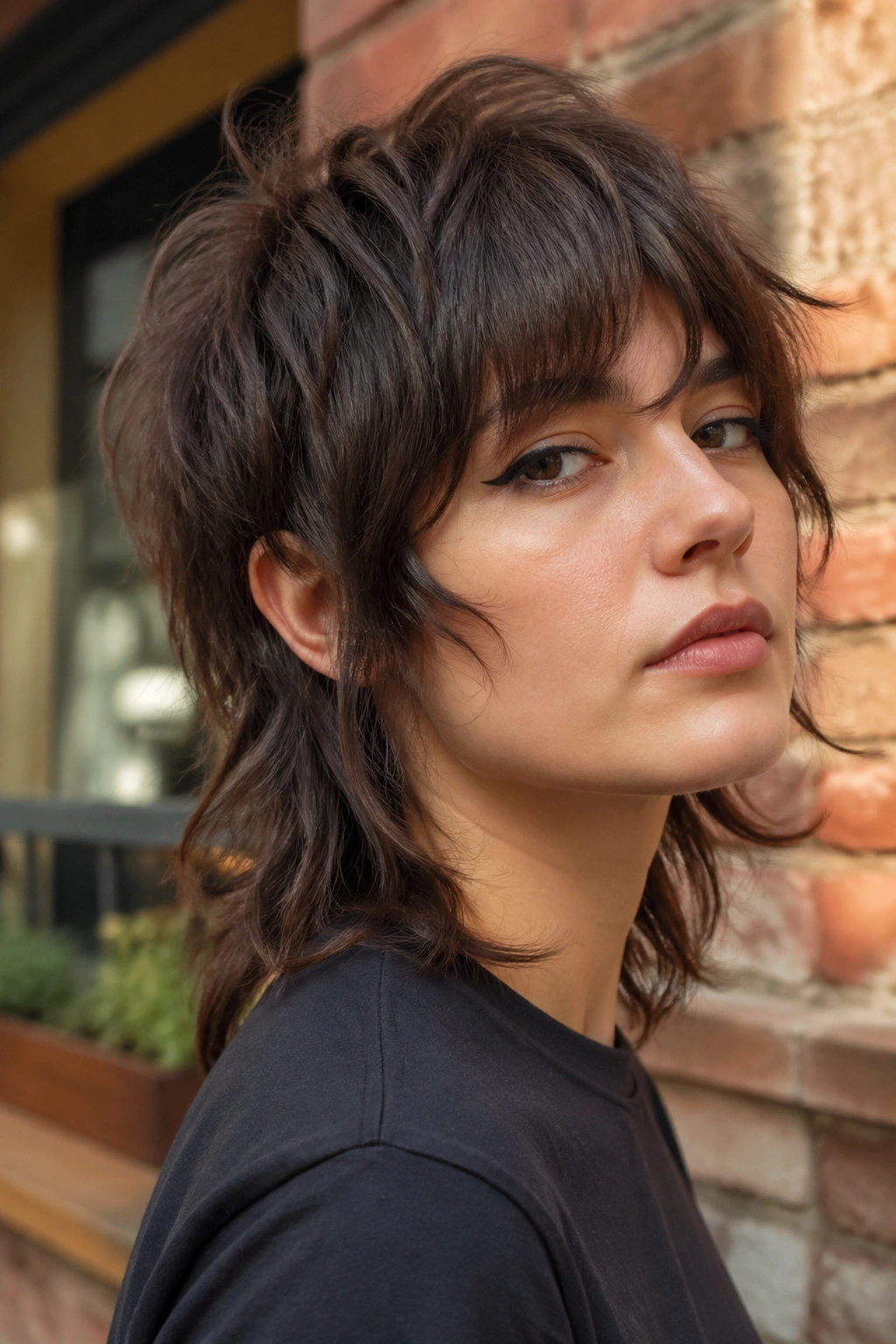
Natural gray and silver strands make texture look sharper. A shaggy mullet in salt-and-pepper hair doesn’t need much help; the contrast already does half the styling. The layers show up as light and dark bands, which gives the cut a nice bit of depth.
This version looks especially good when the ends are soft but not fluffy. You want movement, not frizz. A light cream or serum helps keep the silver strands smooth, while the layered shape does the rest.
There’s something honest about this one. It doesn’t pretend the grow-out stage is young or neat. It just looks good in its own right.
25. Hidden-Layer Mullet
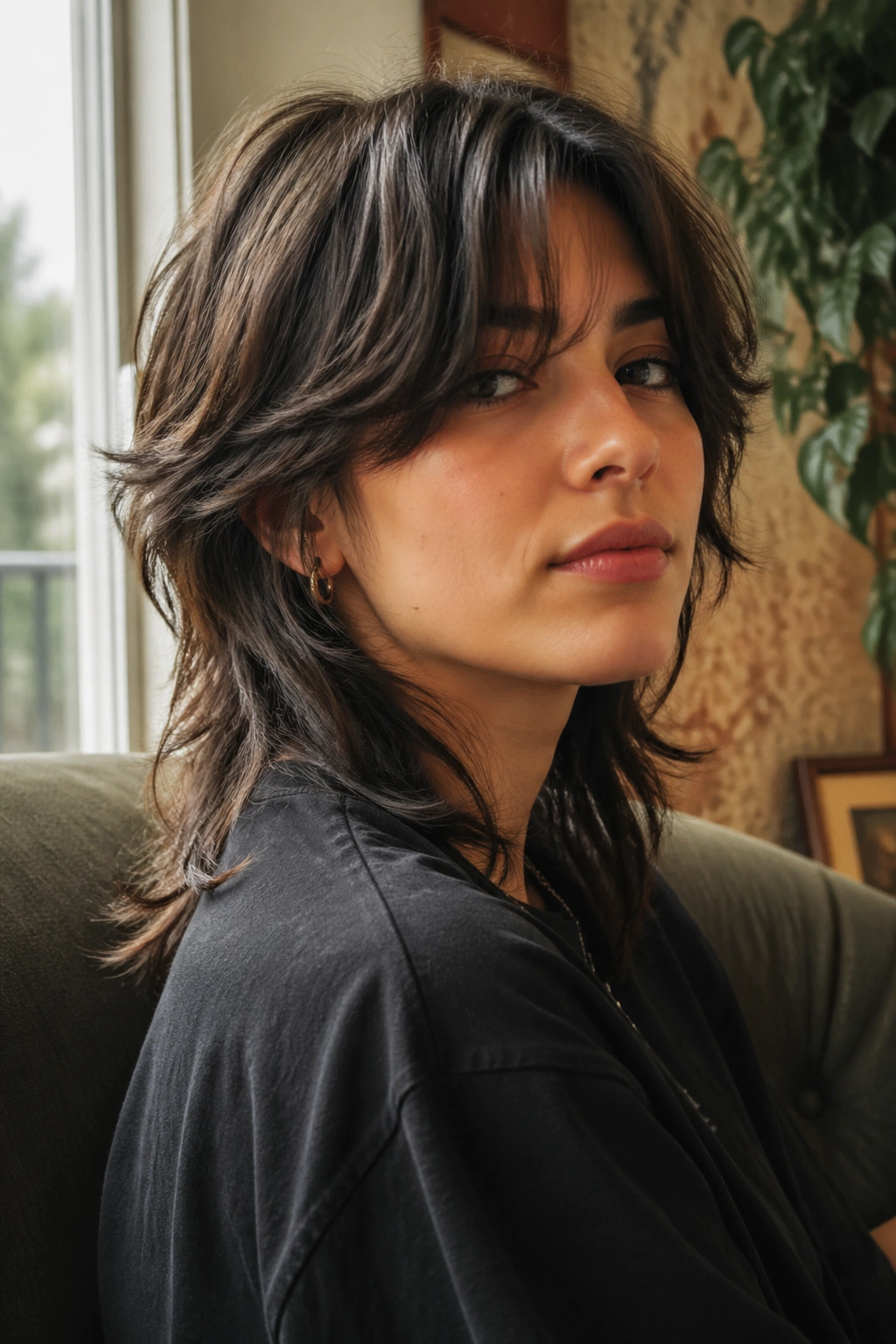
This is the stealth option. From the front, it looks like a regular layered haircut. Turn to the side, and the back drops longer, which gives you mullet shape without making the haircut shout about it. It’s a smart move if you want the style but not the attention.
The hidden layers keep the top light and the perimeter soft. That means you can grow into it without a dramatic change in feel. If your current layers are already uneven, this cut can tidy them up while keeping the longer back intact.
Why People Like It
- It grows out more slowly in appearance.
- It works in offices that dislike loud haircuts.
- It keeps styling simple.
- It still has edge when you wear it messy.
That’s a pretty useful combination.
26. Bob-to-Mullet Transition Cut
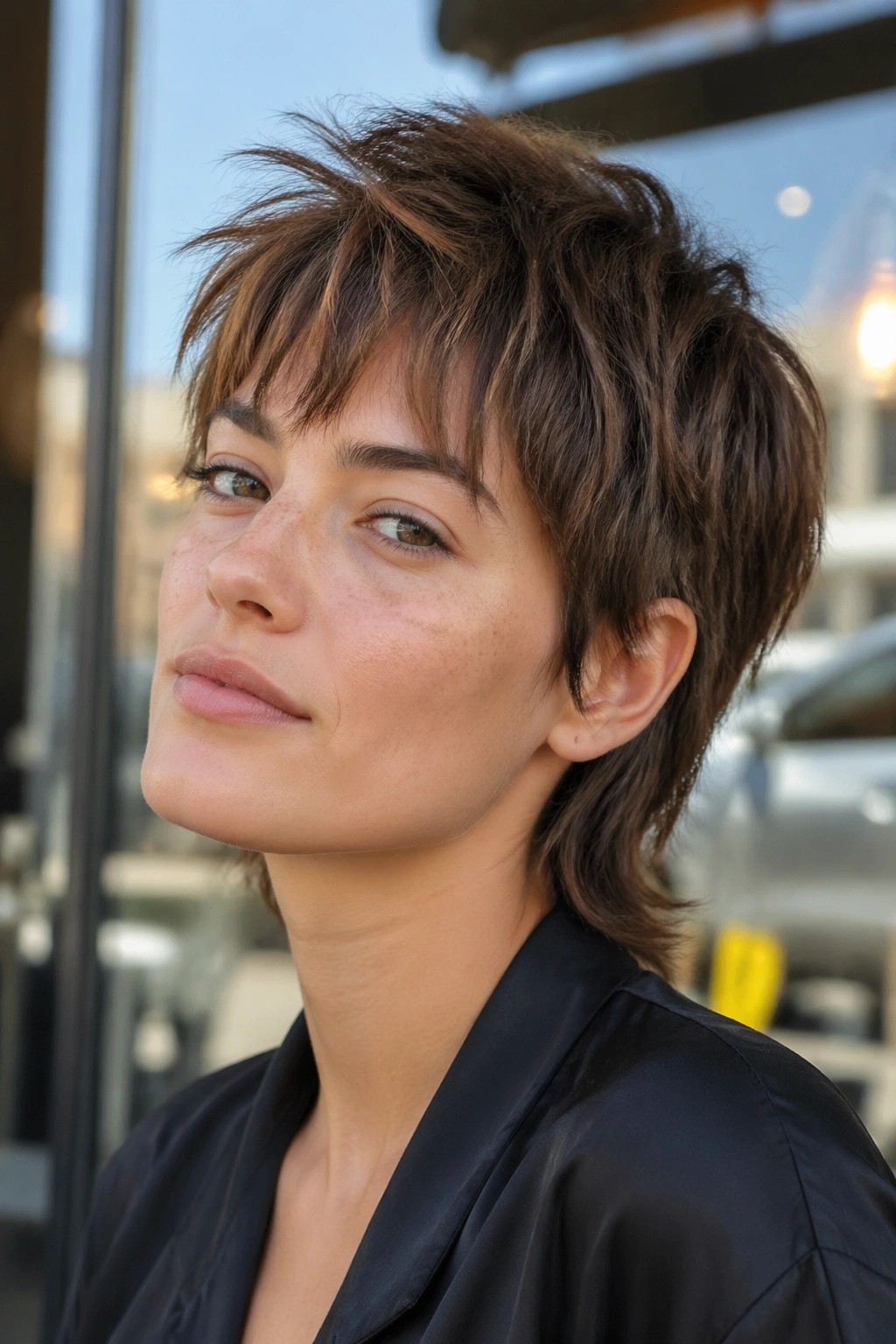
A bob growing out can look awkward fast. The sides flip, the back gets too square, and the shape loses its snap. This version smooths that change by keeping the front layers soft and letting the back stay longer, so the bob doesn’t just collapse as it grows.
The trick is to add movement where the bob gets heavy. A few shorter pieces around the cheekbone help, and a lightly textured nape keeps the back from feeling blunt. It’s not a dramatic mullet. It’s a bridge.
The Transition That Saves the Shape
If you’re in that in-between stage, ask for a gradual drop from the crown into the nape. That lets the haircut grow out cleanly instead of turning into a box.
27. Mini Mullet For First-Timers
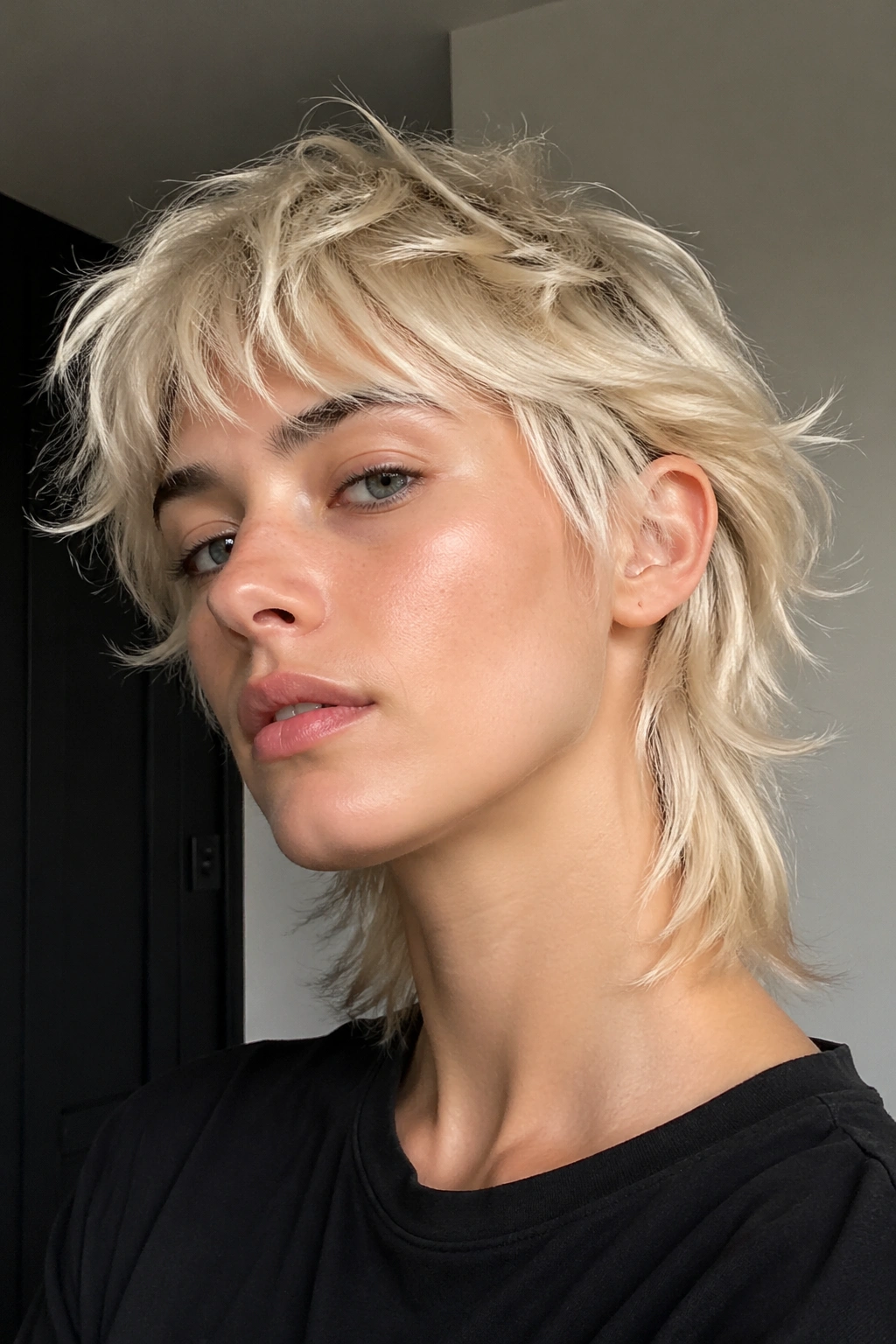
If you’re mullet-curious but nervous, start small. A mini mullet keeps the length difference subtle, with just enough extra length in the back to give the silhouette some personality. The sides stay soft, so it doesn’t feel like a full leap.
This is the version I’d recommend for someone growing out layers who still wants to look tidy. It’s gentle. It’s also easy to style, because the shape does most of the work before you add anything to it.
A little texturizing spray at the crown and a finger-combed finish are usually enough. No need to overthink it.
28. Big-Volume 70s Shag Mullet
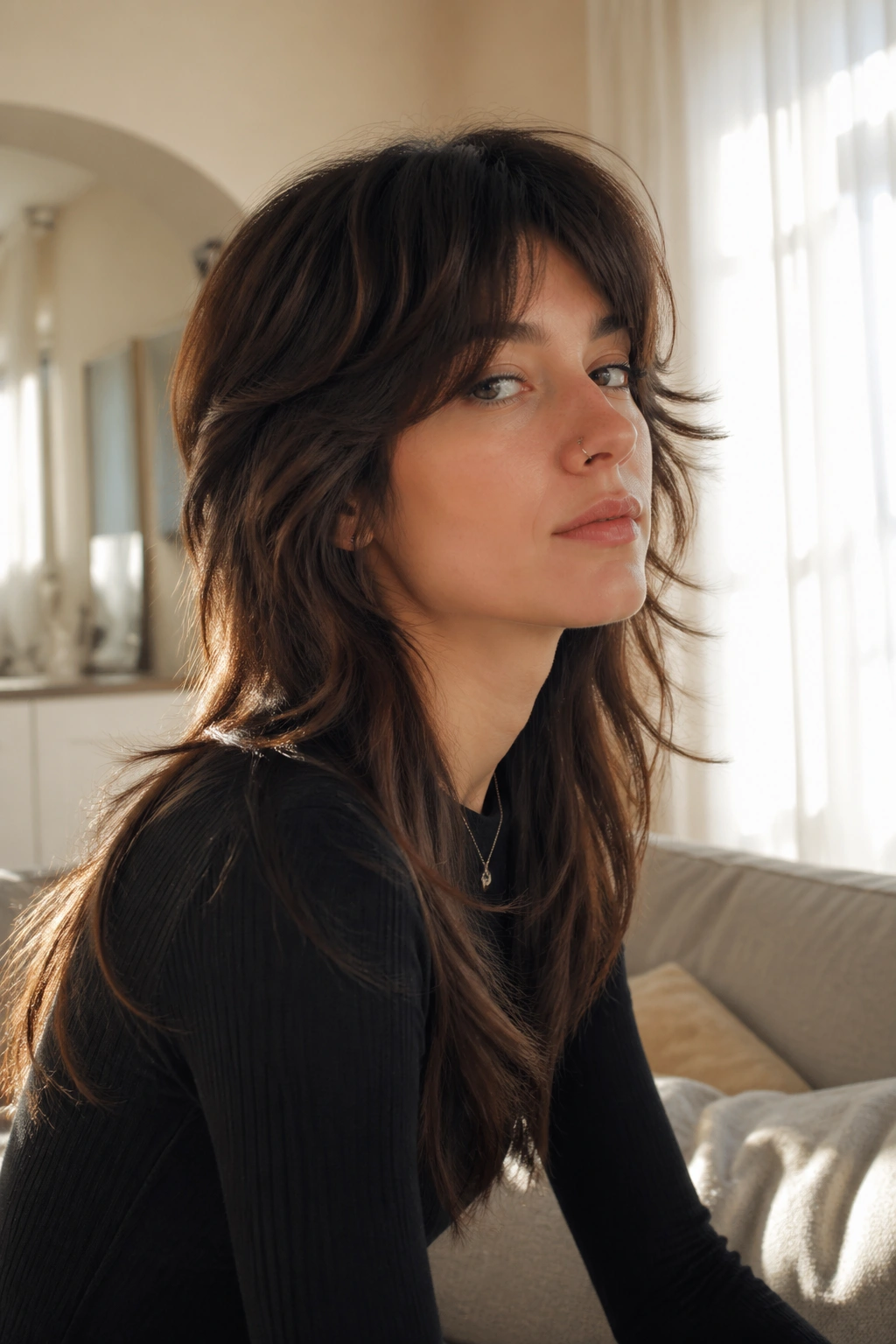
This one has presence. The crown is lifted, the layers are rounded, and the back flows into a longer, fuller finish that feels pulled from an old concert photo in the best way. It’s not flat, and it’s not shy.
The volume matters here. If the roots go limp, the whole style loses its character. A blowout brush, a touch of mousse, and a little root spray can give you the body you need without making the hair stiff.
Wear this when you want grown-out layers to look like a deliberate style choice, not a phase you forgot to fix.
29. Mushroom-To-Mullet Transition
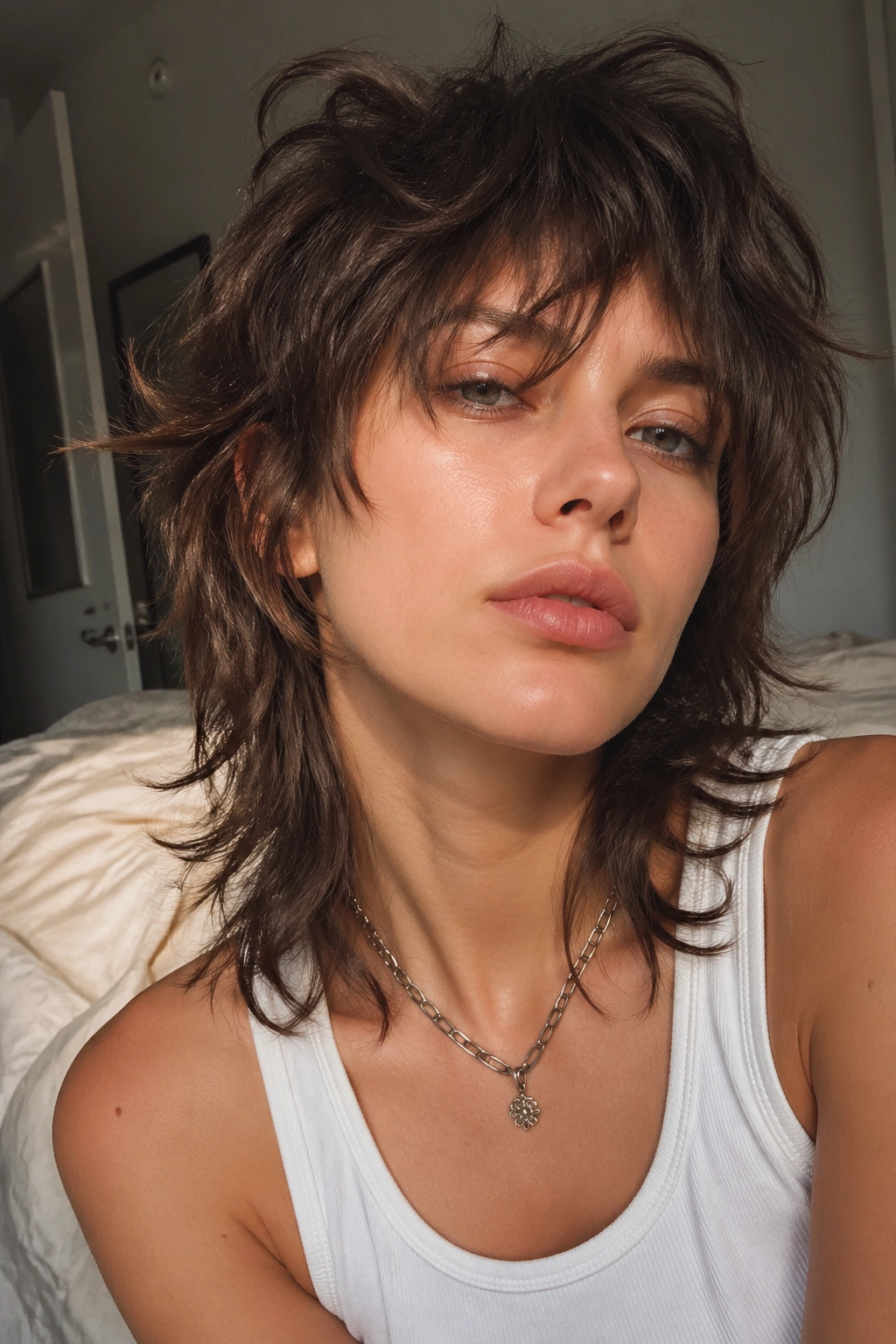
This is for the haircuts that have gone a little helmet-shaped. The sides are too full, the top has puffed up, and the whole thing needs a smarter outline. A mushroom-to-mullet transition uses shorter crown layers and a longer back to break up that round mass.
It’s a practical cut, not a flashy one. The goal is to take out the boxy shape and leave behind something that moves. Side weight gets reduced, but not stripped away. That keeps the haircut wearable while it changes shape.
This is one of those cases where a small adjustment makes a big difference. The wrong snip can make the mushroom worse. The right one makes it look planned.
30. Undercut Shag Mullet
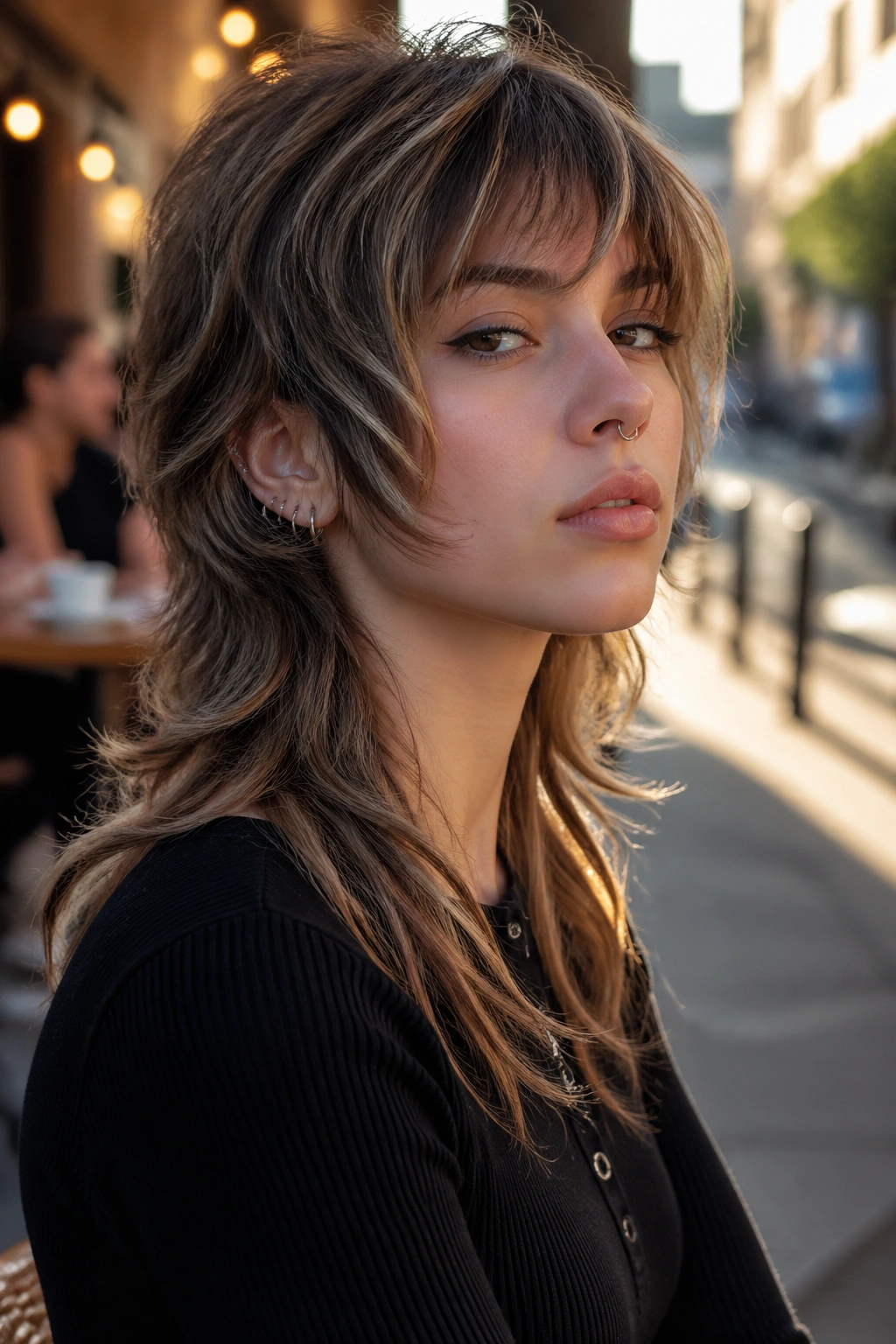
An undercut can make a shaggy mullet feel lighter and more controlled. The hidden short section removes bulk from the sides or lower back, while the top and longer lengths stay free to move. It’s a good option if your hair is dense and you want less puff.
Where It Helps Most
The undercut is useful when the underside of the hair keeps swelling out. That hidden removal lets the top layers lie better, and the silhouette stays cleaner around the neck.
- Ask for the undercut to stay concealed unless you want it visible.
- Keep the top layers soft enough to blend over the short section.
- Use a cream or paste to define the ends.
- Trim the undercut before it gets shaggy and sticks out.
It’s a strong choice, but it does need upkeep.
31. Wet-Look Textured Mullet
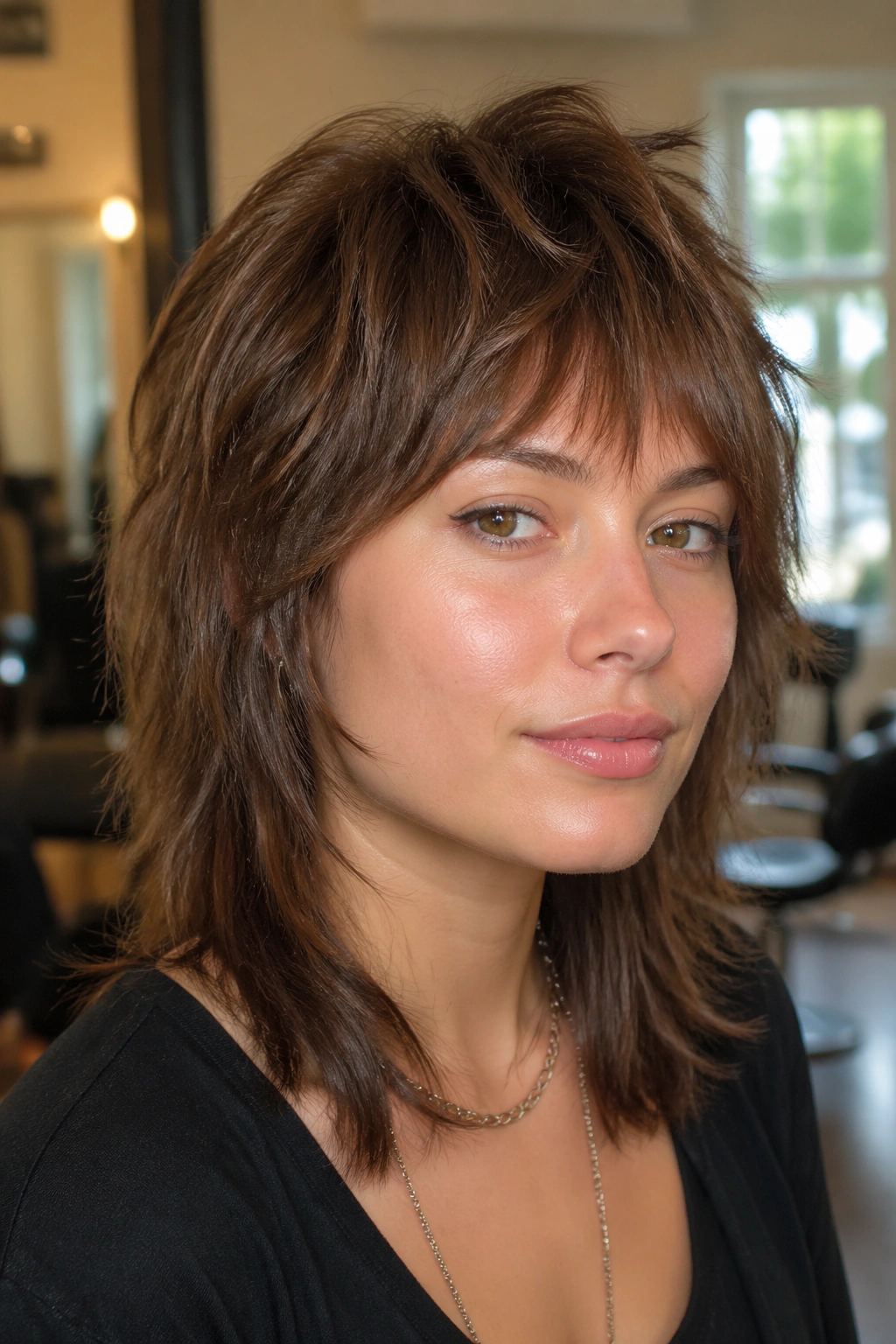
This one is sleek with an edge. The shape still relies on layers and length in the back, but the finish is slicked enough to look wet or lightly glossy. It’s a nice contrast to the usual messy shag texture.
The trick is using the right amount of product. A gel or styling cream through damp hair can separate the layers and keep them in place. Too much, and the hair goes crunchy. Too little, and the shape falls apart before it dries.
I like this version on nights out, or any time you want grown-out layers to look sharp instead of sleepy.
32. Straight-Hair Shag Mullet
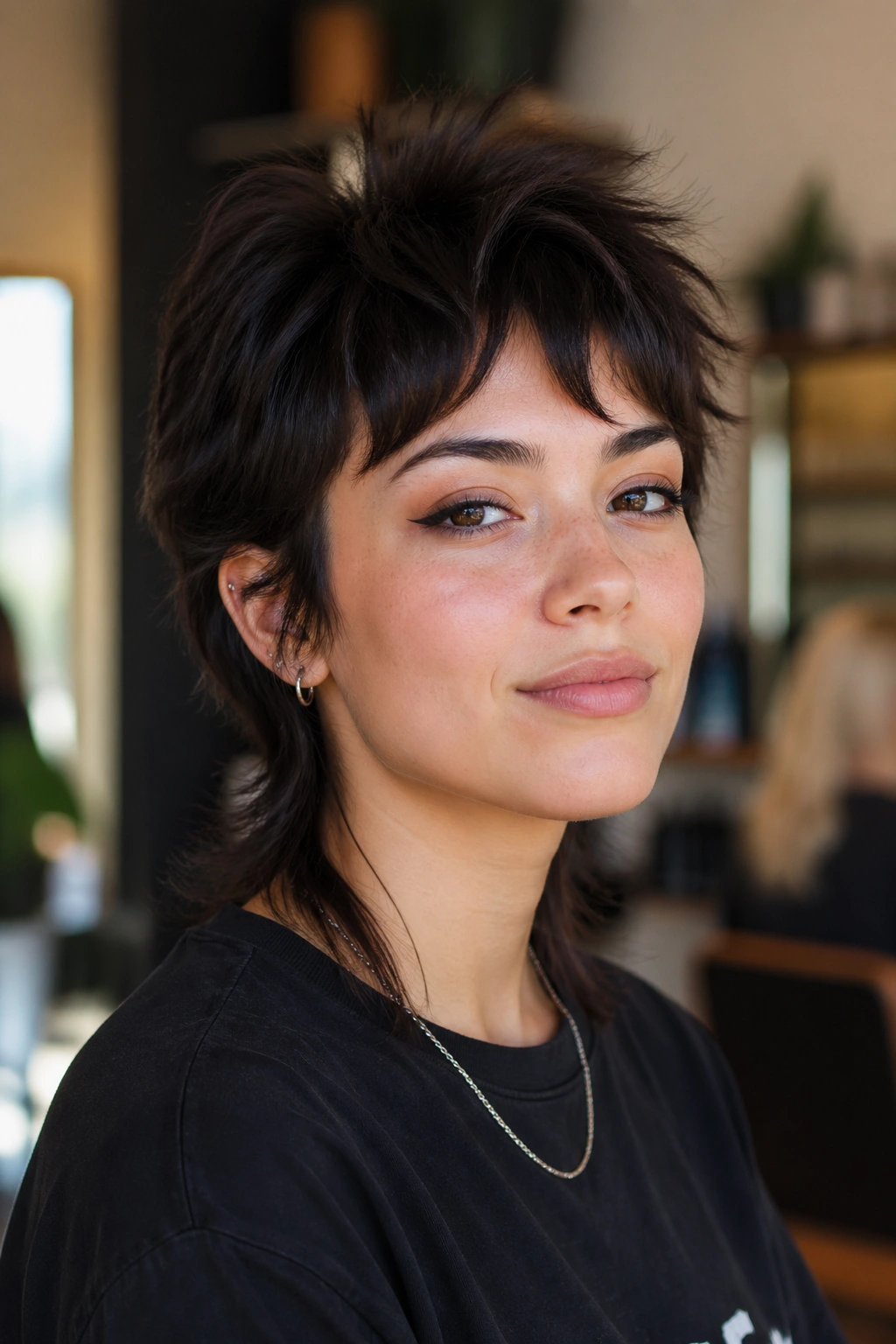
Straight hair can make a mullet look either clean or lifeless. The difference is the layering. If the top is too heavy, the cut lies flat. If the ends are too wispy, it starts looking thin. This version balances both by keeping the crown textured and the back softly broken.
It works because the structure does the lifting. Straight hair doesn’t need a lot of product; it needs a good cut. A bit of lift at the roots and a slight bend at the ends is usually enough to show the shape.
Use a flat iron only if you want a tiny bevel at the ends. Pin-straight can be too severe.
33. Heavy Fringe Mullet
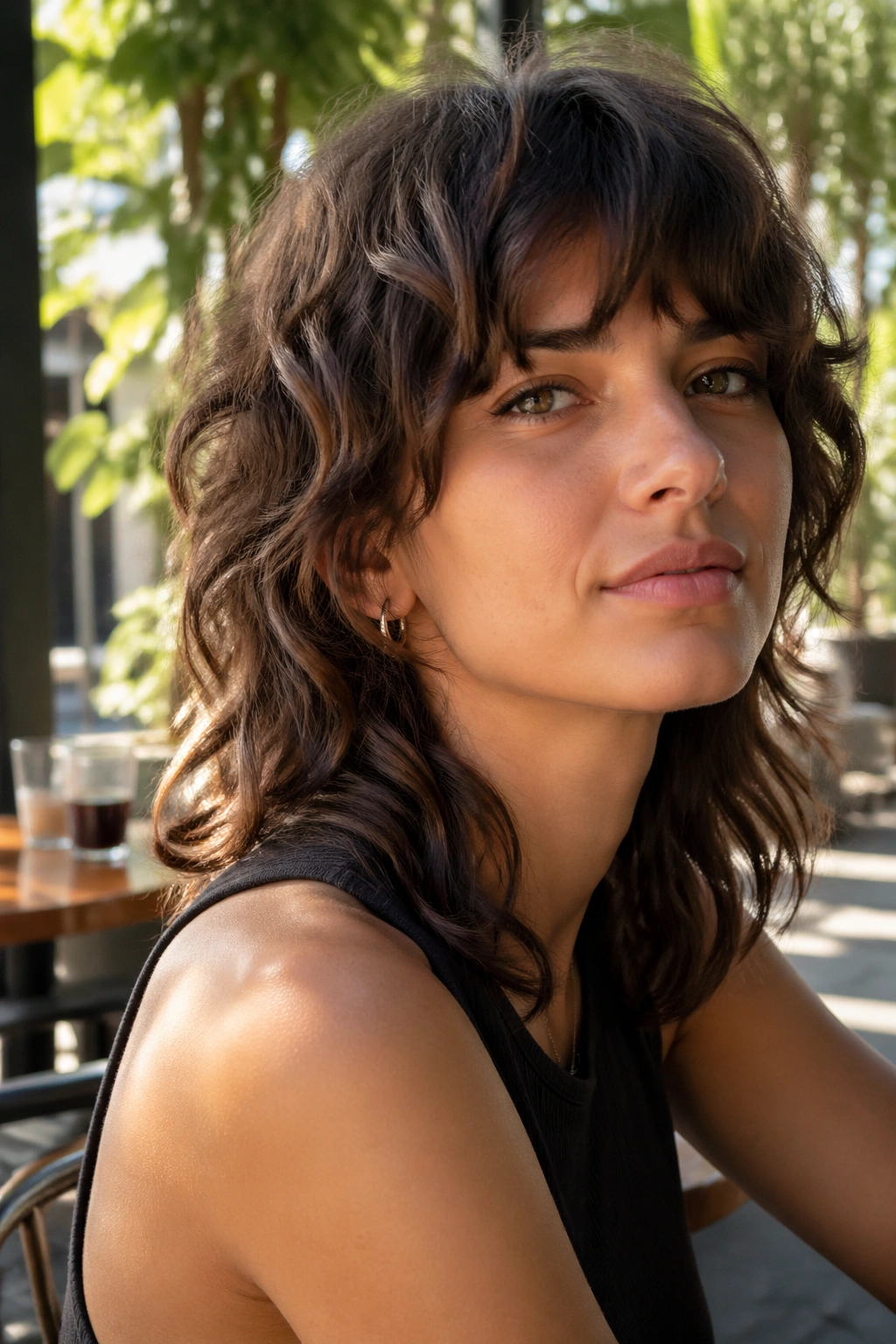
A heavy fringe changes everything. It gives the face a strong line, then lets the rest of the hair loosen up into a shaggy mullet behind it. The contrast between the solid fringe and the softer back is what makes this cut feel bold.
This is a good choice if your forehead is a feature you want to play down or if you just like a haircut with a clear front. The fringe should sit thick enough to matter, but not so heavy that it blocks the eyes. The rest of the cut can stay choppy and loose.
It’s one of the more committed looks on this list. I mean that in a good way.
34. Balayage Shag Mullet
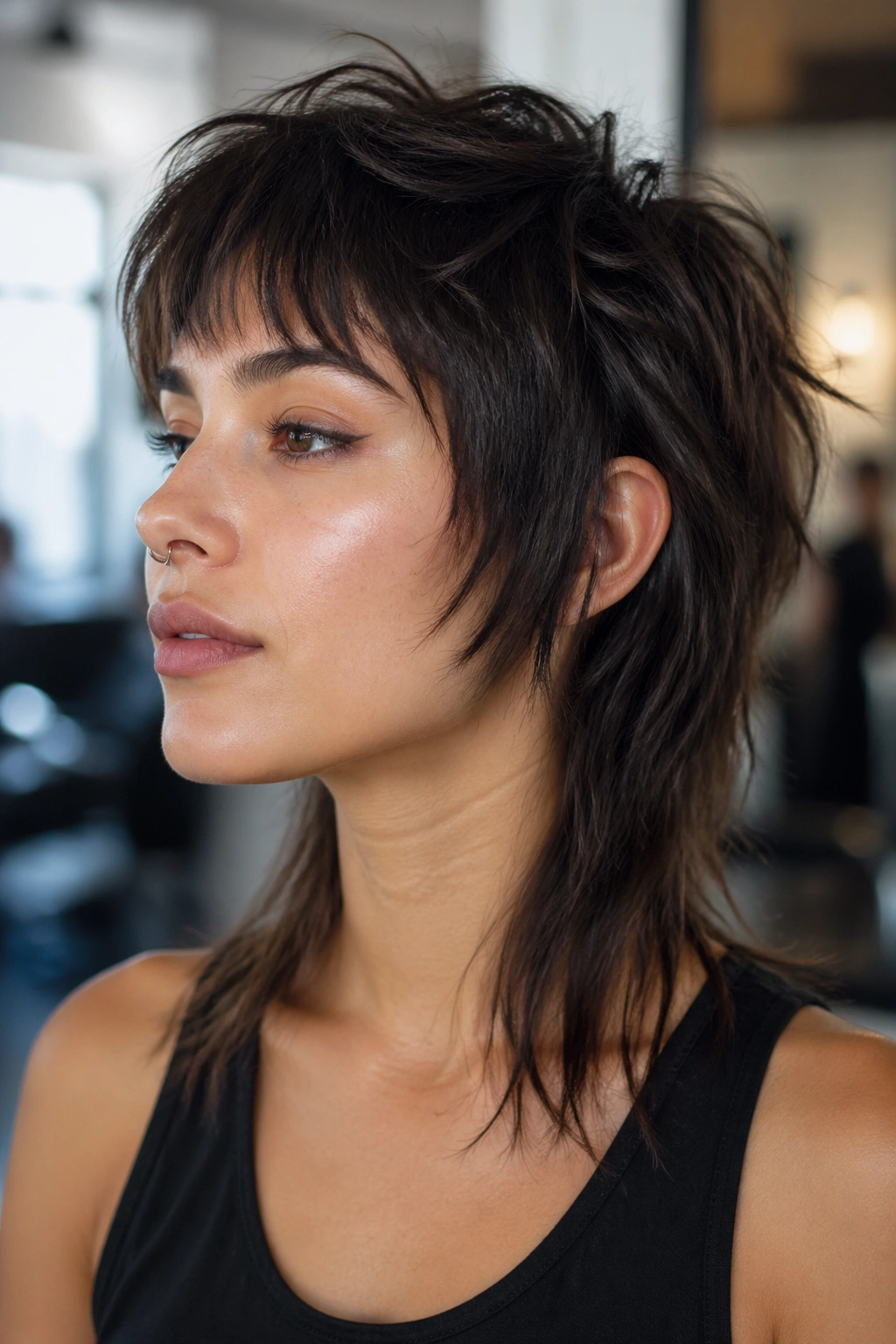
Color placement can make grown-out layers look much more deliberate. Balayage threads lighter pieces through the layers, which shows where the texture lives and keeps the haircut from sinking into one flat color block. On a shaggy mullet, that’s half the visual payoff.
Why the Highlights Matter
Place the lighter pieces around the face, crown, and outer lengths. That keeps the movement visible when the hair shifts. The back can stay a touch deeper, which gives the shape more depth.
- Lighten the top and face frame first.
- Keep the ends slightly brighter for movement.
- Use a tone-safe shampoo so the contrast stays clean.
- Style with loose bends, not tight curls.
This is one of the easiest ways to make a haircut look more expensive without changing the cut itself.
35. Rocker Mullet With Split Texture
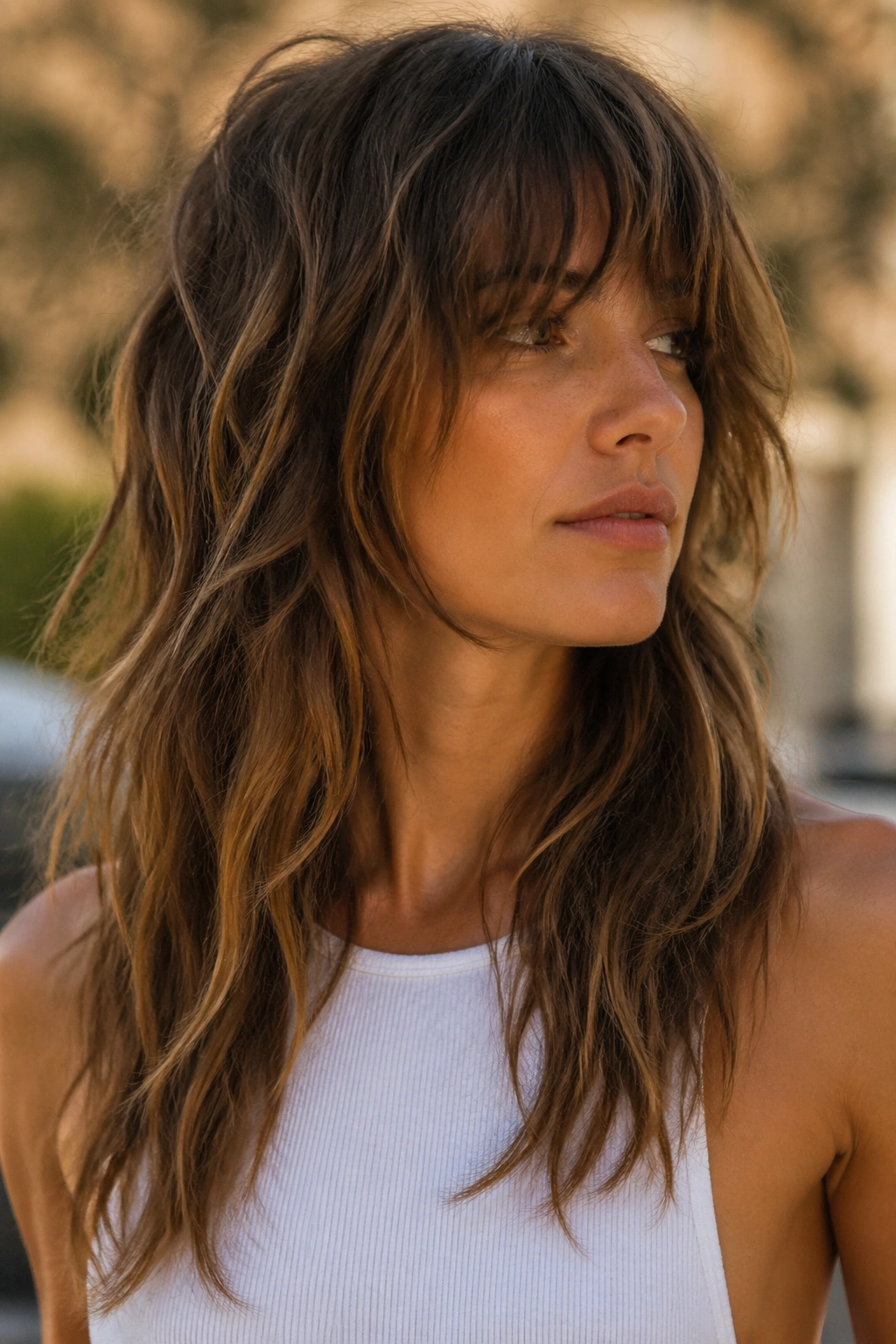
This is the loud one. One side can sit a little sleeker, the other a little messier, or the texture can split across the whole cut in broken, piecey sections. It has attitude, but it still needs shape underneath or it turns into chaos.
The strongest version uses heavy layering at the crown and a longer, slightly raw back. The ends should look separated, not brushed into one soft sheet. If your grown-out layers have enough length to show movement, this cut pushes that movement harder.
Use wax on just a few pieces. Too much product kills the split texture, and that defeats the point.
36. Soft Romantic Mullet
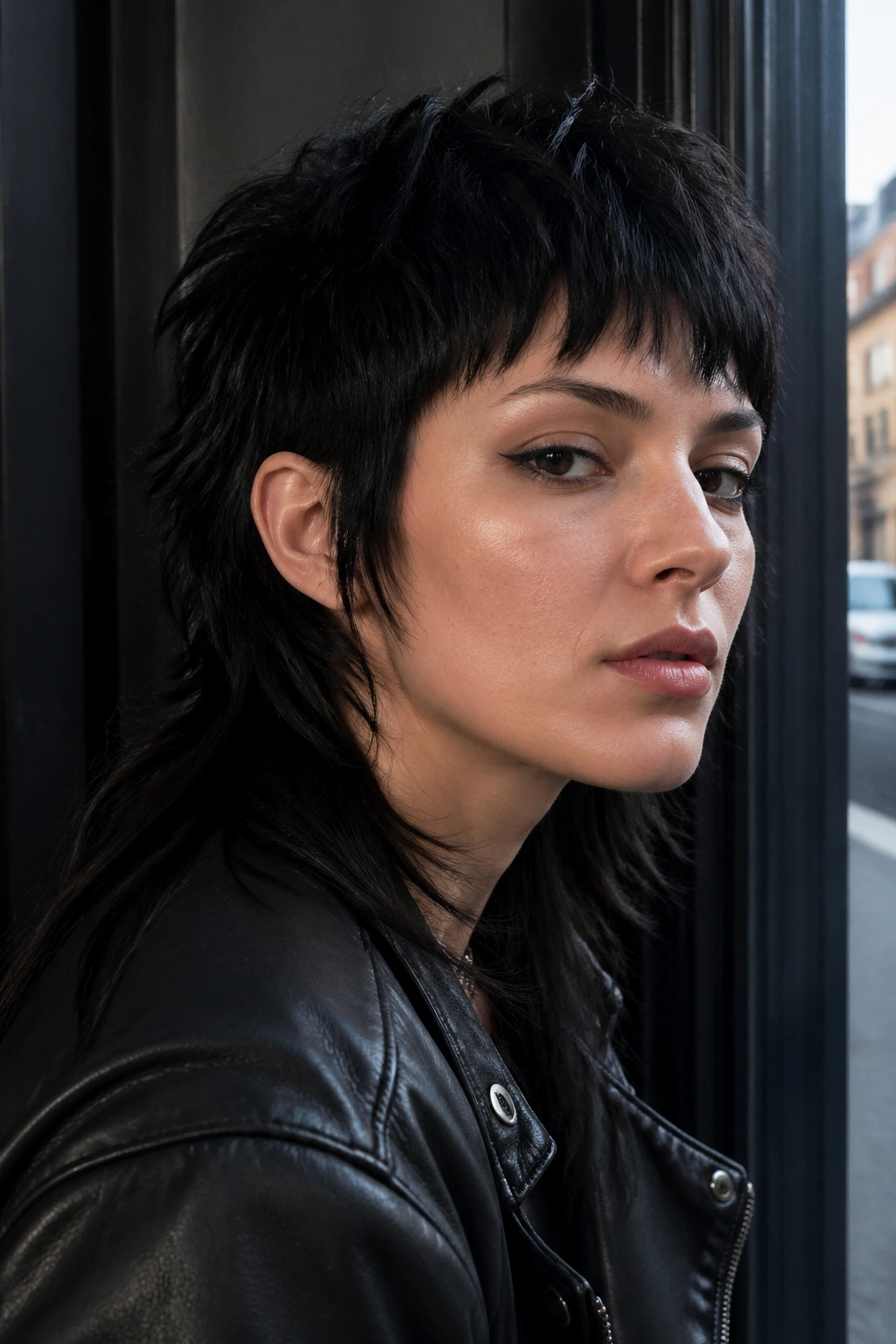
This is the gentlest mullet on the list. The layers are soft around the face, the back is longer but not harsh, and the whole cut has a little bend rather than a lot of texture. It feels feminine without being precious.
It’s good for hair that already has some natural movement but doesn’t want to look choppy. The shape should fall nicely when you tuck a side behind the ear or let the front pieces brush the cheek. The grow-out reads as flattering instead of accidental.
A curling cream or light setting lotion helps if the hair needs a little guidance. Keep the finish loose.
37. Short Neck-Hugging Mullet
This cut sits close to the neck and feels tidy from behind. The back is short enough to keep the shape neat, but still longer than the sides, so the mullet line is there even when the overall length is restrained. It’s subtle, clean, and easy to wear.
That neck-hugging shape is useful if you don’t want a lot of bulk at the collar. It also works well with high collars and jackets, which sounds small until you notice how often hair gets crushed under them. The layers at the crown keep the top from going flat.
A small round brush or even finger-drying can keep it from sticking out at odd angles.
38. Long-Nape Shag Mullet
If you like the idea of a mullet but want more length in the back, this is the move. The nape stays long, almost trailing into the shoulders, while the crown and sides are still layered enough to keep the cut from feeling plain. It’s a more relaxed shape than the sharper versions.
The long nape gives grown-out layers a place to land. Instead of chopping everything off for the sake of style, you let the back carry the softness. That makes this cut good for people who are attached to their length but still want edge.
It’s easy to wear in a low ponytail too, which matters more than people admit.
39. Tailored Mullet For Everyday Wear
This is the version for someone who wants the shape but needs the haircut to behave. The layers are controlled, the outline stays neat, and the back keeps just enough length to feel modern without becoming difficult. It’s the calmest way to wear a shaggy mullet.
The Cleanest Way to Wear It
Think of this as a mullet with rules. The crown stays lightly textured, the sides stay soft, and the nape is left long enough to show movement but short enough to stay tidy.
- Keep the fringe or front pieces simple.
- Avoid too much thinning.
- Style with a cream, not a sticky paste.
- Trim every so often so the outline stays clear.
If you want a cut that can go from weekday to weekend without drama, this one makes a lot of sense.
Final Thoughts
The nicest thing about a shaggy mullet is that it doesn’t punish you for having layers that grew out in an imperfect way. It works with the mess. That’s the whole point.
Some versions are bold, some are soft, and a few are quietly practical. Pick the one that matches how much styling you’ll actually do, not the one that looks funniest in a mirror photo.
A good cut should make you feel like the grow-out was part of the plan. If it does that, you’re in the right neighborhood.
